How I Actually Use Ashwavana Guru Focus (And What It Does for Me)


The first time I swapped my second cup of coffee for a glass of Guru Focus, it was 10:40 a.m. and I was standing at my kitchen island with a recipe half-tested and a jaw I hadn't realized I was clenching. Twenty years of two-cups-before-noon will do that. I stirred a scoop into cold water, drank it while I portioned out spice blends, and about half an hour later noticed I'd stopped bracing for the shaky, over-caffeinated feeling that usually shows up around then. I was awake. Just… not wired.
That's the whole pitch, really. But "how do I actually use this thing" is the question I get most, so this is the guide I wish someone had handed me. When to drink it, what to expect the first week, and a couple of ways I work it into a real day. I test everything in my own kitchen first, and this was no exception.
First, what's actually in it (and why it feels the way it does)
Guru Focus isn't a single stimulant—it's a stack of fifteen ingredients that lean on each other. The two doing the heavy lifting on that calm-but-alert feeling are L-theanine and matcha. L-theanine is the amino acid in tea that increases alpha brain-wave activity and acts as a mild neural relaxant; paired with caffeine, it smooths the stimulant's rough edge while improving sustained and selective attention. That pairing is well documented—researchers reporting on high-dose L-theanine-caffeine combinations found improved measures of selective attention even in sleep-deprived adults.
Matcha is the same idea in leaf form. It naturally pairs L-theanine, caffeine, and EGCG catechins, and that's the combination behind calm, focused attention without the spike-and-crash of coffee alone. It's also why the energy feels level. Ashwavana Guru Focus is built around that steadiness rather than a jolt.
Then there are the adaptogens working underneath. Ashwagandha (Withania somnifera) modulates the HPA axis and blunts the cortisol response to chronic stress—lower morning cortisol tends to track with calmer, steadier energy and less reactivity. Rhodiola rosea helps ease the mental fatigue that stress piles on. Lemon balm (its rosmarinic acid nudges GABA pathways) leans toward calm and a balanced mood. That's the "I feel focused but not on edge" combination people describe.
And a supporting cast for the body underneath the brain: beet root nitrates the body converts to nitric oxide (widening blood vessels and supporting brain perfusion), grape seed extract and pomegranate polyphenols for antioxidant and circulatory support, turmeric and ginger, cinnamon for steady blood sugar, plus vitamin D3 and K2, goji berry, and chlorella. It's a lot. But that's the point—it's not trying to be a caffeine pill.
"I love the energy and focus without the jitters." That review could've been written by me around week two.
When to drink it: three timings that work
The single best piece of adaptogen advice I've read is boringly practical: tie it to something you already do daily so you're actually consistent, because sporadic use gives unreliable results. Here's how I've come to use it.
1. As a mid-morning coffee replacement (my favorite)
I keep my one real coffee at 7 a.m.—I'm not a martyr—and I use Guru Focus to replace the 10–11 a.m. cup that used to tip me into jittery. This is where the L-theanine-and-caffeine effect shines, smoothing rather than spiking. If your coffee leaves you anxious or shaky, that mid-morning slot is where you'll notice the difference most.
2. As a fix for the 3 p.m. dip—without a second-coffee crash
Afternoon is when coffee betrays you. Matcha-style energy is reported to run steadier and longer than coffee's short spike, which is exactly what you want at 3 p.m. when a real coffee would wreck your sleep. One customer put it as "calm, steady energy, better focus, and great hydration"—the hydration part matters because you're drinking it in water, not on top of it.
3. As a fully caffeine-free-feeling morning, on high-stress days
On days I know are going to be a lot, I skip the coffee entirely and start with Guru Focus. The adaptogen side (ashwagandha, rhodiola, lemon balm) is the part I want on those mornings. One reviewer described being "awake but BALANCED with a happy energy," and honestly that's the goal on a chaotic day more than raw alertness.
How I actually make it taste good
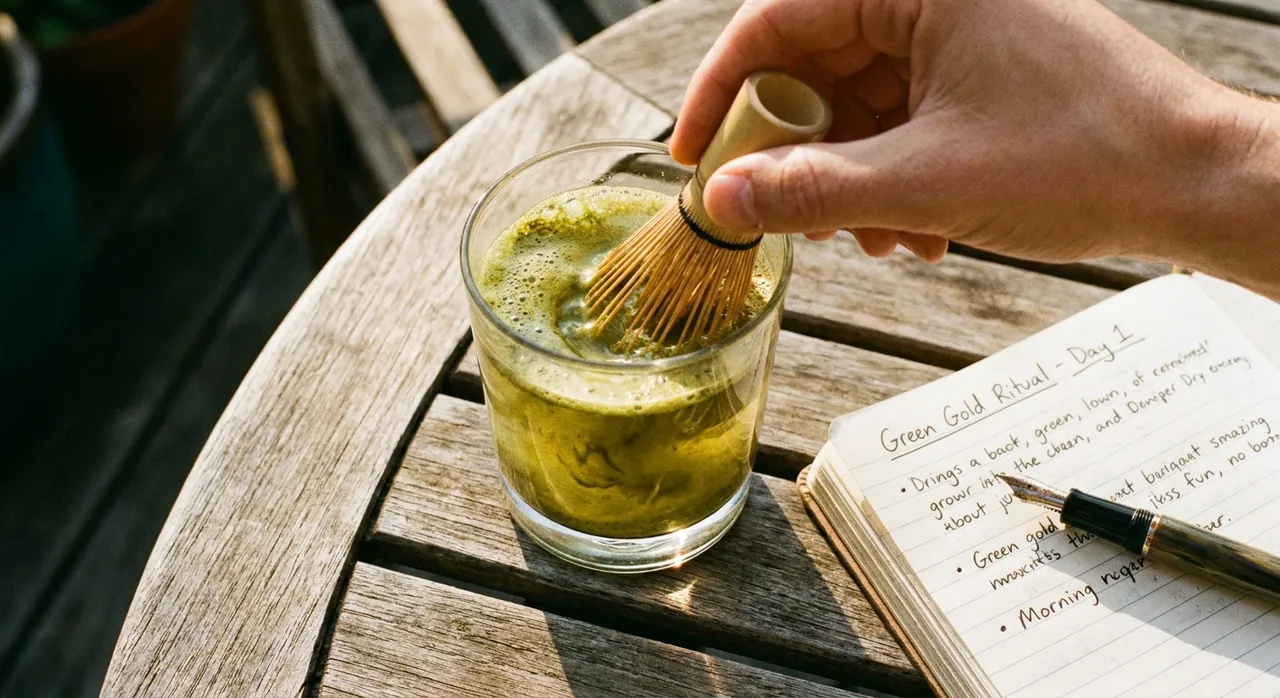
It mixes into plain cold water fine, but I develop recipes for a living, so of course I fuss. My daily go-to:
- 1 scoop Ashwavana Guru Focus
- 10–12 oz cold water
- Juice of half a lemon
- A handful of ice
- Optional: 3–4 fresh mint leaves, muddled
Steps:
- Add the scoop to a glass or shaker with about 2 oz of the water first.
- Whisk or shake hard for 15 seconds so it fully dissolves—this is the step people skip, and it's why they get clumps.
- Top with the rest of the water and the ice.
- Squeeze in the lemon, drop in the mint, stir once.
The lemon brightens the beet-and-turmeric earthiness; the mint makes it feel like a treat rather than a supplement. On warm afternoons I'll blend it with ice for something closer to a slushie.
What to actually expect (the honest version)
Day one, you'll likely notice the absence of something—that jittery bracing you get from too much coffee—more than a big new sensation. That's normal, and it's the point. The reviews I trust most describe it that way: "without any sort of crash," and "noticeably better focus and attention span."
The adaptogen benefits (the calmer, less-reactive baseline) build over time, not in one glass. Consistency is where ashwagandha and rhodiola earn their keep, so give it a week or two of daily use before you judge the stress-and-mood side. Several people have described real relief there—one wrote that it "keeps my anxiety at bay," another that it "helps me tackle the day without anxiety." I'd gently caveat: everyone's baseline is different, and a supplement is one input among sleep, food, and stress, not a magic switch.
A few practical notes from my own testing:
- It does contain caffeine (from matcha), so I don't drink it after about 3 p.m.—level energy still stacks up if you overdo the timing.
- Drink it with water rather than instead of water; the hydration is half of why it feels good.
- If you're pregnant, nursing, or on medication, check with your doctor first—especially with adaptogens like ashwagandha and rhodiola.
Who it's really for
If you're the person who wants the ritual and lift of coffee without the 11 a.m. shakes or the afternoon crash, this is squarely aimed at you. It's the reason I still reach for it after twenty years of being a devoted coffee person—not to quit coffee, but to make the rest of my day steadier. As one reviewer summed it up: "It makes me feel so focused, calm, and productive all day." That's the version of a workday I actually want.
These statements have not been evaluated by the Food and Drug Administration. This product is not intended to diagnose, treat, cure, or prevent any disease. The research referenced here describes individual ingredients studied on their own, not the finished Ashwavana Guru Focus product, and individual results will vary. Consult your healthcare provider before starting any new supplement, especially if you are pregnant, nursing, taking medication, or managing a health condition.
Renee develops recipes at Superfoods Company and has been a two-cups-before-noon coffee drinker for twenty years. Every recipe here gets tested in her own kitchen first.
Ready to try it for yourself?
Shop Superfoods Company