A Dietitian's Take on Gut-Health Fizzy Tablets: What the Fizz Actually Delivers

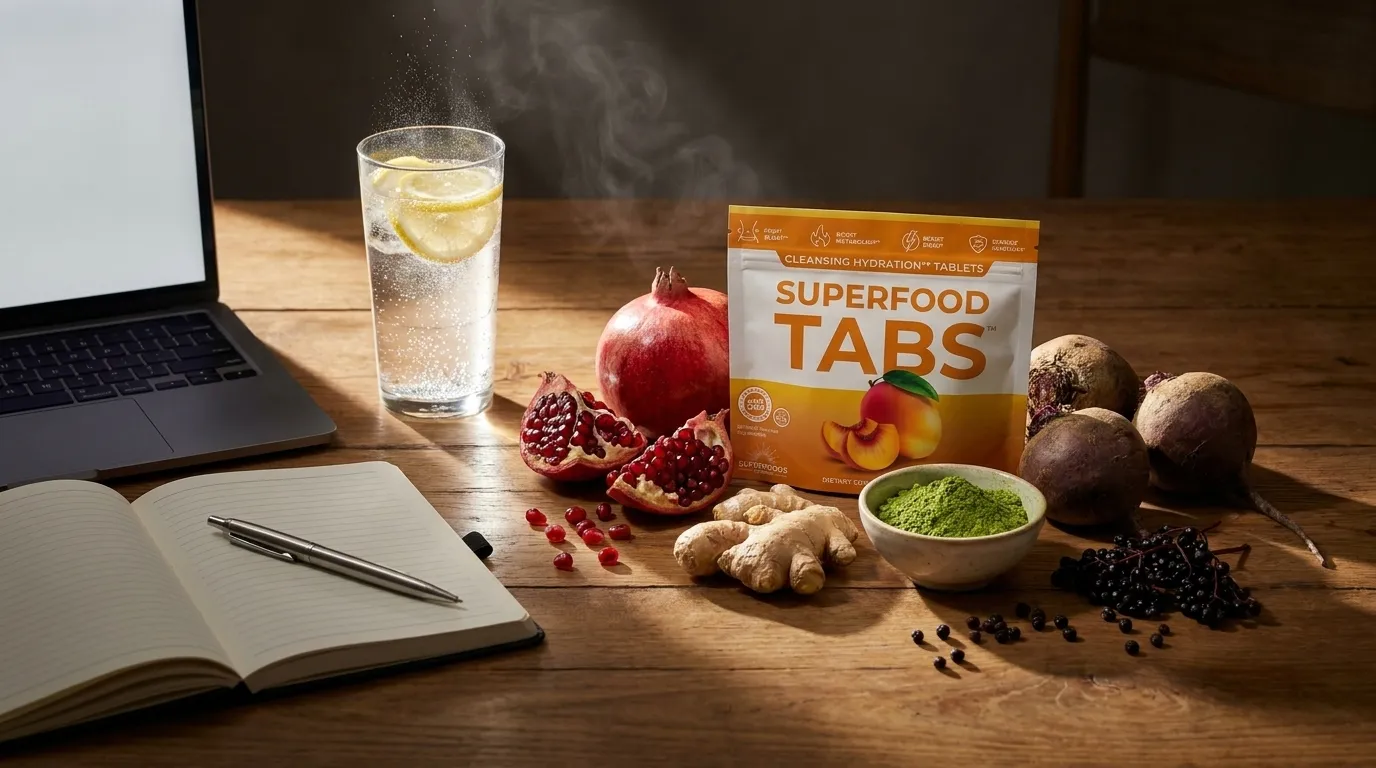
The first time I dropped a tablet into a glass and watched it go, I did the very unscientific thing of leaning in and sniffing the bubbles. Occupational hazard. I review the research behind every ingredient we use, so I tend to be the skeptic in the room — and "gut health fizzy tablets" is exactly the kind of phrase that makes me squint. It sounds like marketing. So let me tell you, as plainly as I can, what the fizz is actually doing and what it isn't.
Short version: the fizz is a delivery format, not a magic trick. But the format matters more than people assume, and what you dissolve into that glass matters most of all.
What the fizz actually is (and why it's not just for show)
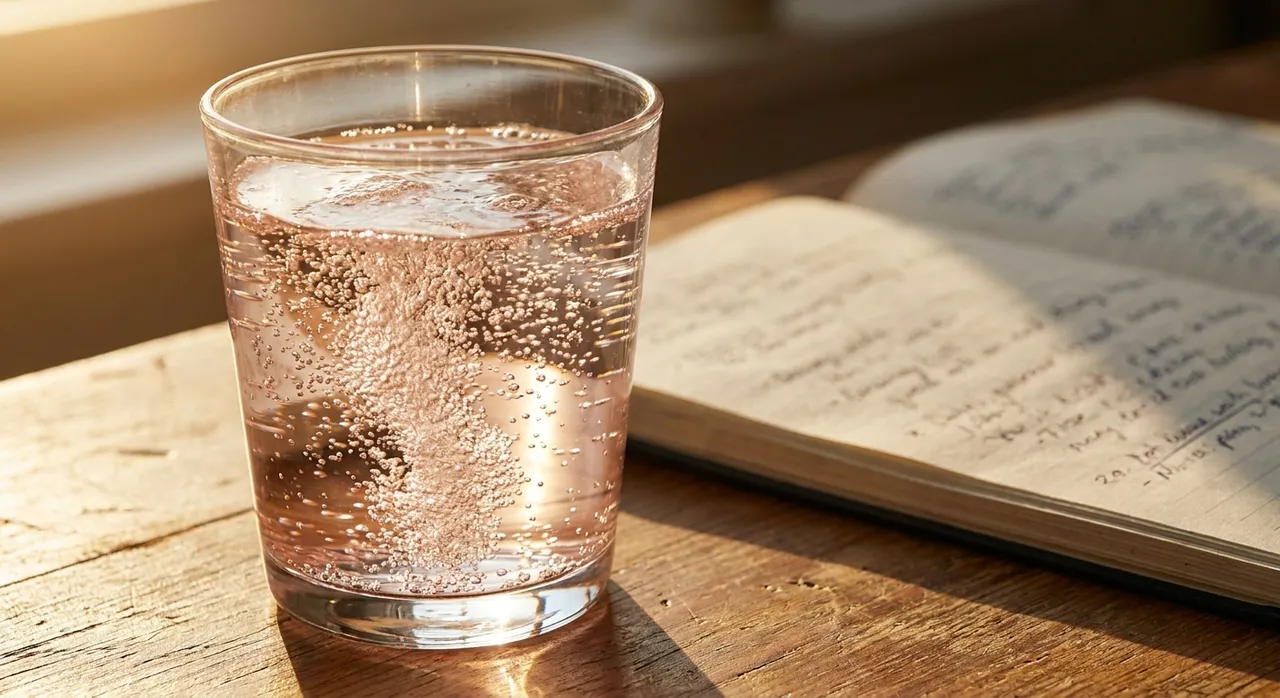
An effervescent tablet isn't complicated chemistry. The base is the whole trick: the foundation consists of an effervescent base, typically combining citric acid with sodium bicarbonate or potassium bicarbonate, and this base creates the fizzing reaction while maintaining pH balance for optimal ingredient stability. Drop it in water, the acid meets the bicarbonate, carbon dioxide escapes as bubbles, and the tablet dissolves.
Here's the part I find genuinely interesting from a physiology standpoint. When you drink a dissolved effervescent solution, something measurable happens downstream. Due to the high content of carbonate salt, upon ingestion the gastric pH is temporarily elevated, which results in fast gastric emptying — and this in turn promotes drug absorption from the upper small intestine, the primary site for absorption. In other words, the drink doesn't sit and pool in your stomach. It moves.
And because everything is completely dissolved within a couple of minutes, the active compounds become available in solution rather than locked inside a pill your gut has to break down first. That's the whole appeal of the format for anything digestive: the gentle, pre-dissolved format is less likely to irritate sensitive digestive tissues, which makes effervescent options friendlier for people with digestive sensitivities.
So no, the bubbles themselves don't "cleanse" anything. What they do is get water and a spread of plant compounds into you, in a form that's easy to drink and gentle going down. Which, honestly, is a lot of the battle.
My rule of thumb: the best "gut health" habit is the one you'll actually repeat. A format you enjoy beats a superior format you abandon by week two.
Where "gut health" comes from in a tablet like this
Fizz gets the compounds in. The compounds do the work. This is where I'll stop being coy and talk about what's actually in Superfood Tabs — because the ingredient list is the answer to "does this reach my gut and do something."
Ginger: the most direct digestive player
If there's one ingredient in the blend with the clearest gut résumé, it's ginger root. The active gingerols and shogaols behave as 5-HT3 receptor antagonists — antiserotonergic effects — and they help accelerate gastric emptying, which is why clinical trials consistently show ginger relieves nausea, including pregnancy-related nausea. That's from a comprehensive systematic review of 109 randomized controlled trials, which is not a small evidence base. Ginger also calms inflammation: meta-analyses report significant reductions in C-reactive protein and TNF-α. A settled, less-inflamed gut is doing better work.
Pomegranate: the ingredient your microbes finish for you
This is my favorite gut story in the whole formula, because it's genuinely a partnership between you and your bacteria. Pomegranate is rich in ellagitannins and punicalagins, and your gut microbes convert those into compounds called urolithins, which support fat metabolism and reduce oxidative stress. You don't absorb the raw polyphenols so much as feed them to your resident bugs, who make the useful metabolites. Clinical reviews tie pomegranate to reductions in body weight and waist measures alongside improved metabolic markers, and its polyphenols carry one of the highest antioxidant capacities among fruits.
Green tea and matcha: catechins, and yes, the caffeine
The blend includes green tea and matcha, and with them EGCG — the most abundant green tea flavonoid, which regulates cell-signaling pathways linked to metabolic and cardiovascular health, with antioxidant activity that helps neutralize free radicals throughout the body. There's also 100mg of caffeine here, sourced from green tea leaf extract. Worth knowing before you sip: this is a real, if modest, caffeine dose. It's part of why people describe the energy as steady rather than jittery, but if you're caffeine-sensitive, mind your timing.
The supporting cast
- Burdock root, dandelion, chlorella, wheat grass, aloe vera — the greens-and-roots side of the blend, contributing plant fiber and polyphenols that give your gut bacteria something to work with.
- Milk thistle — the classic liver-support botanical.
- Beet root and goji berry — more polyphenols and nitrates in the mix.
- Ginseng — ginsenosides influence fat metabolism and the very gut microbiota that help regulate weight; in a clinical study of obese middle-aged women, eight weeks of Panax ginseng produced significant reductions in body weight and BMI, with effects that varied by each person's baseline gut bacteria.
- Lemon balm — rosmarinic acid nudges GABA activity and dampens the stress response, and since elevated cortisol drives cravings for calorie-dense comfort foods, calming stress can indirectly help. It's a small, honest lever, not a weight-loss drug.
- Elderberry — a familiar polyphenol-rich berry for everyday support.
Notice the theme. A gut isn't fed by one hero ingredient; it's fed by variety. A spread of different plant polyphenols and fibers gives a diverse microbiome diverse things to eat — and diversity is one of the better-supported markers of gut resilience we have.
How I actually use them (temperature, timing, honesty)
A few things I've landed on, both from the science and from drinking these most mornings:
- Cool or room-temperature water, a full glass. The absorption research suggests the volume of liquid matters for how quickly a dissolved solution moves through you, so don't skimp — 10 to 12 oz is my default. It also means the tablet does double duty as a hydration habit, which several of our customers say is the real hook.
- Let it fully dissolve. Give it two to three minutes. "Completely dissolved and available in solution" is the whole point; a half-dissolved tablet is just grit.
- Mind the caffeine clock. With 100mg on board, I keep mine to mornings or early afternoon. If you want it as an evening drink, you'd want a caffeine-free option instead — this isn't one.
- Consistency beats intensity. Gut and microbiome effects are cumulative. The polyphenol-to-urolithin conversion, in particular, tends to reward regular intake over one dramatic day.
Do I think a fizzy tablet is a substitute for fiber-rich food, sleep, and moving your body? No — and I'd be a poor dietitian if I told you otherwise. What it is, is a low-friction way to get plant compounds and water in daily, in a format gentle enough that you'll keep doing it.
What people actually report
I read our reviews the way I read a study's limitations section — looking for patterns and for what's plausible. The most common themes are less bloating, gentler regularity, and fewer cravings, which line up neatly with the ginger, the stress-calming lemon balm, and the daily-hydration effect. One customer put the habit part perfectly: "I love these. I had to stop my subscription for a period of time but realized I enjoyed them so much, it became a non negotiable." Another mentioned "no more sugar craving or want to eat snacks."
Weight comes up a lot too — people describing that their "clothes are a little looser in the waist." I'll be straight with you: those results reflect individual experiences and, almost always, other changes made alongside the habit. Ingredients like ginger and green tea catechins have genuine body-composition research behind them, but a tablet is a supporting player in a bigger routine, never the whole story.
That's my honest take on gut-health fizzy tablets. The fizz is a smart, gentle delivery format; the gut benefits come from the plants you dissolve into it and from doing it consistently. If that sounds like a habit you'd keep, it's an easy one to keep.
These statements have not been evaluated by the Food and Drug Administration. This product is not intended to diagnose, treat, cure, or prevent any disease. The research described here refers to individual ingredients and their studied properties, not to the finished product, and is not a claim about Superfood Tabs. Individual results vary. Consult your healthcare provider before starting any new supplement, especially if you are pregnant, nursing, taking medication, or sensitive to caffeine.
Priya is a registered dietitian who reviews the science behind every ingredient we use. She spends her days turning clinical research into plain English.
Ready to try it for yourself?
Shop Superfoods Company